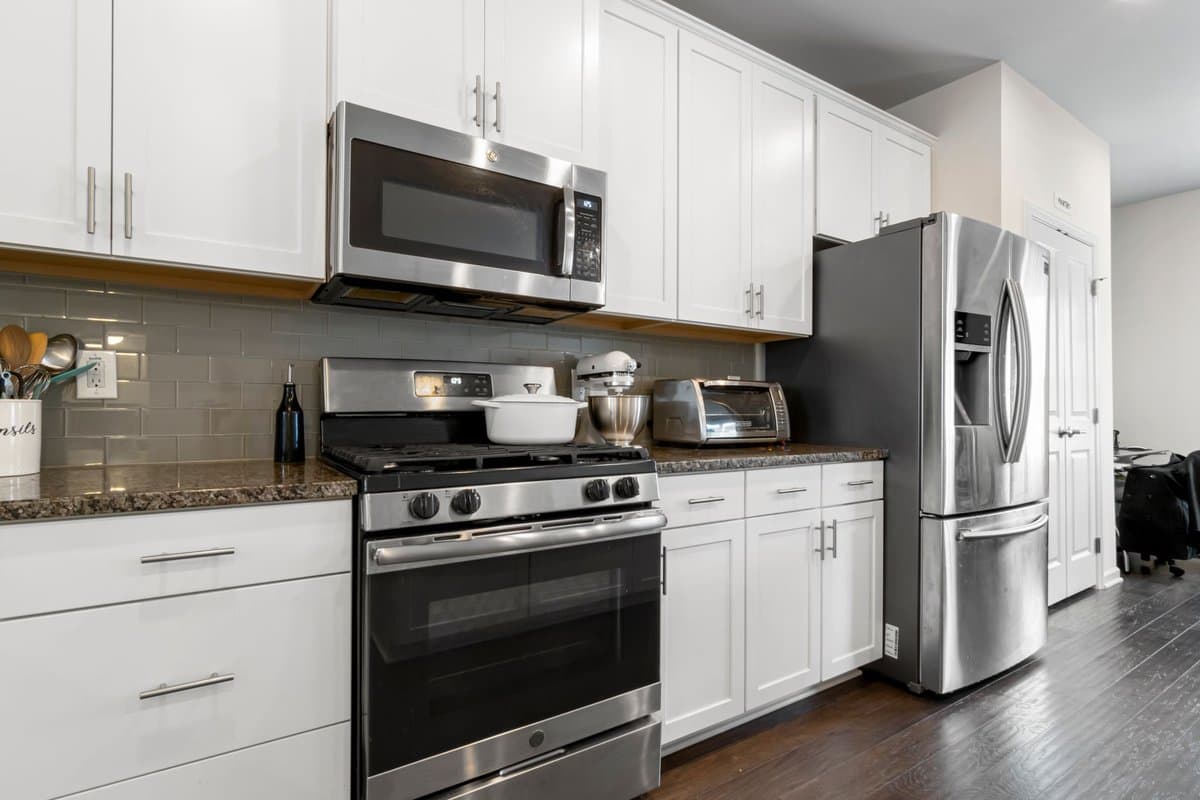
When scratch-and-dent kitchen appliances are worth it

Deals TeamNov 26, 20265 min read
A scratch on the side of a toaster oven can be easy money. A dented dishwasher door is different: you’ll stare at it every day, and the damage may say something about how the appliance was handled. If you’re trying to decide when scratch-and-dent kitchen appliances are actually worth buying, the rule is simple: pay for damage you can ignore, not damage that can spread, leak, wobble, or bother you for years.
Buy the flaw you won’t see, not the one that affects the job
Scratch-and-dent deals make the most sense when the damage is truly cosmetic and in a low-visibility spot. Think a scuff on the side of a microwave that will sit between cabinets, or a mark on the back of a compact fridge that faces the wall.
Walk away from damage near moving parts or sealing parts. A dent by a refrigerator gasket, an oven door edge, a hinge, a control panel, or a cooktop corner can change how the appliance closes, heats, or sits level. That’s where a “minor blemish” turns into poor performance.
One non-obvious check: imagine the appliance in your kitchen before you buy. A side dent may sound harmless, but if that side is exposed at the end of a cabinet run, you’ll see it constantly. On a built-in appliance, a bent side panel can also make installation less clean than you expected.
Another one: inspect the feet or base. A tiny body scratch is nothing. A unit that rocks on the floor is a bigger problem, because leveling issues can affect doors, vibration, and noise.
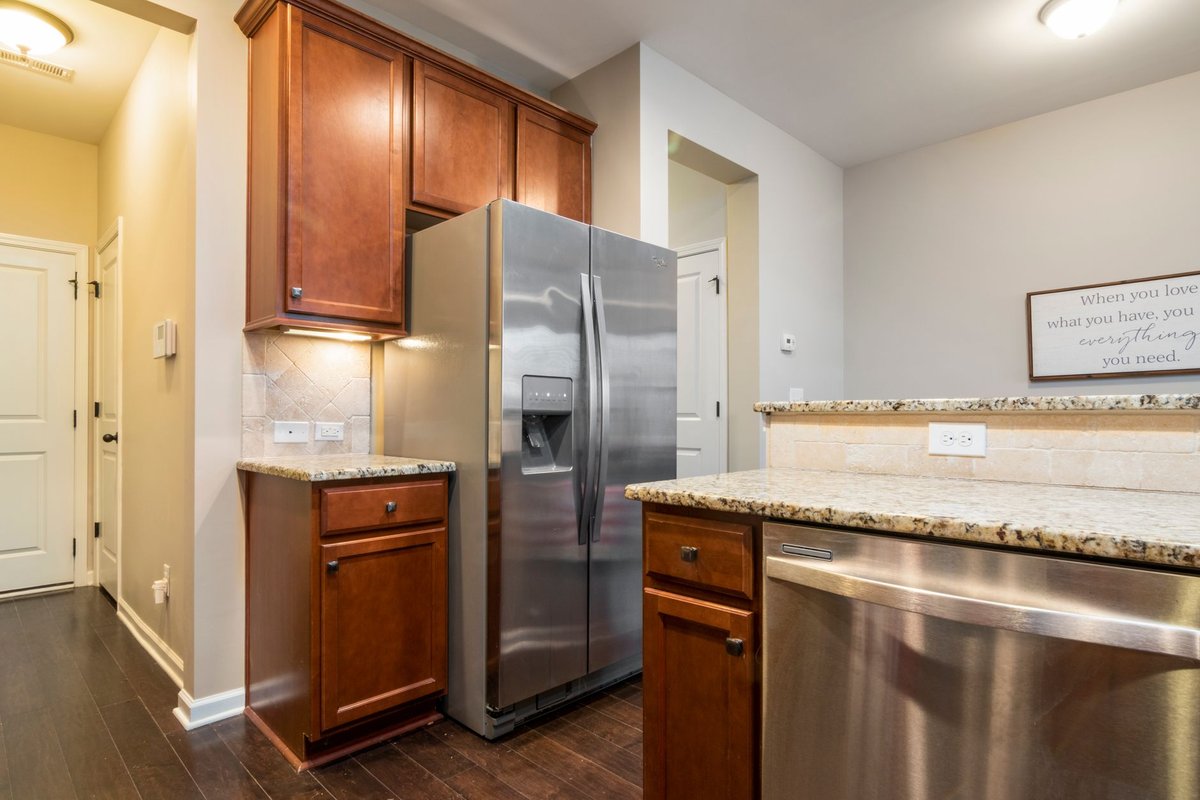
Check the parts situation before you check out
The smartest way to judge a damaged appliance is to ask yourself how expensive the first fix will be. For countertop appliances, that usually means accessories. For major appliances, it means seals, racks, bins, filters, and knobs.
Before you buy, confirm that the pieces most likely to crack, go missing, or wear out are easy to replace. That matters a lot with food processors, blenders, stand mixers, and air fryers, where the machine may be cheap compared with the bowl, lid, basket, or blade assembly you’ll need later.
Appliance Parts Pros is useful for this homework because it focuses on original replacement parts, carries a very deep parts inventory, and has a price-match guarantee. If the part you’re most worried about is easy to find there, a scratch-and-dent buy gets safer. If replacement parts seem hard to track down, the discount needs to be much better to make sense.
This is also a good time to price-check the support ecosystem, not just the appliance itself. If you end up needing a rack, filter, or motor sooner than expected, browsing the appliance parts category gives you a fast read on how repair-friendly your bargain really is.
Compare the damaged item with outlet and closeout prices first
A lot of shoppers make the same mistake: they compare scratch-and-dent only against full-price new. That’s the wrong baseline. You should compare it with clearance, outlet, closeout, and refurbished inventory, because those are the offers most likely to erase the value of a blemished item.
At the time of writing, AJMadison’s clearance and outlet selection includes an offer for up to 70% off Clearance and Outlet Items; confirm the current terms on the store page. 25% off coupon code is available If a new-in-box closeout is close in price to a damaged floor model, the closeout is usually the better buy.
Appliances Connection is worth a look for the same reason. A coupon code is available Its closeout deals can narrow the gap between damaged and new, and its buy-more-save-more promotions matter if you’re replacing more than one kitchen appliance. On heavier items, free-delivery offers can also change the math more than shoppers expect.
One more useful comparison is GE Appliances. 30% off coupon code is available At the time of writing, its store page has an offer for up to 50% off on brand new appliances plus free shipping; confirm the current terms there. If a brand-new model is already that heavily discounted, a scratched version needs to be clearly cheaper before it deserves your money.
Small appliances are the safer scratch-and-dent bet
If you want the lowest-risk version of this strategy, stick to countertop machines before you gamble on installed ones. A scratched blender, toaster, or stand mixer is easier to inspect, easier to return, and less likely to create expensive follow-up costs than a dented range or built-in dishwasher.
That’s why refurbished can beat scratch-and-dent for smaller kitchen gear. At the time of writing, KitchenAid’s refurbished small-appliance range includes an offer for up to 50% off Refurbished Stand Mixers and Small Appliances; confirm the current terms on the store page. Refurbished is often a better bet than a randomly damaged box because the discount comes with a clearer reason for the lower price.
There’s another non-obvious reason small appliances are safer: you can audit the accessories yourself. Count the bowls, beaters, lids, trays, and attachments before you commit. Missing extras can wipe out the savings fast, especially on mixers and multi-use countertop appliances.
Ask the questions that actually change the value
The best scratch-and-dent purchase is one where the seller can answer a few specific questions clearly. Where is the damage? Is it surface-only? Does the door seal tightly? Are all accessories included? Was the unit ever installed or used? What’s the return window?
If the seller only shows one glamor shot and describes the damage vaguely, assume the flaw is worse than it sounds. Ask for close photos of corners, handles, seals, feet, and the control area. Those are the spots that tell you if the damage is cosmetic or functional.
Also, don’t ignore pickup trouble. A cheap large appliance can stop being cheap once you factor in hauling, stairs, disposal of the old unit, or the risk of getting it home and discovering the dent is on the visible side. For many shoppers, scratch-and-dent is best reserved for secondary spaces or less-visible placements, not the centerpiece appliance in a brand-new kitchen.
The practical takeaway is this: scratch-and-dent is worth it when the damage is hidden, the parts are easy to replace, and the price clearly beats closeout or refurbished alternatives. Before you commit, compare against today’s deals in the appliances category or the small kitchen appliances category so you know you’re buying a real bargain, not just a damaged product.