Halloween Savings for Kids

Deals TeamOct 26, 20265 min read
Late October is when kids' Halloween spending gets sloppy: a last-minute costume change, extra accessories that looked necessary online, and a backup outfit because the first one won't work with sneakers or a coat. The easiest way to spend less is to stop shopping for a complete costume and start buying only the pieces that still make sense on November 1. A few small tactics can cut the cost without making the night feel skimpy.
Buy the one piece that makes the costume obvious
Most kids don't need a boxed costume from head to toe. They need one piece that tells the story fast.
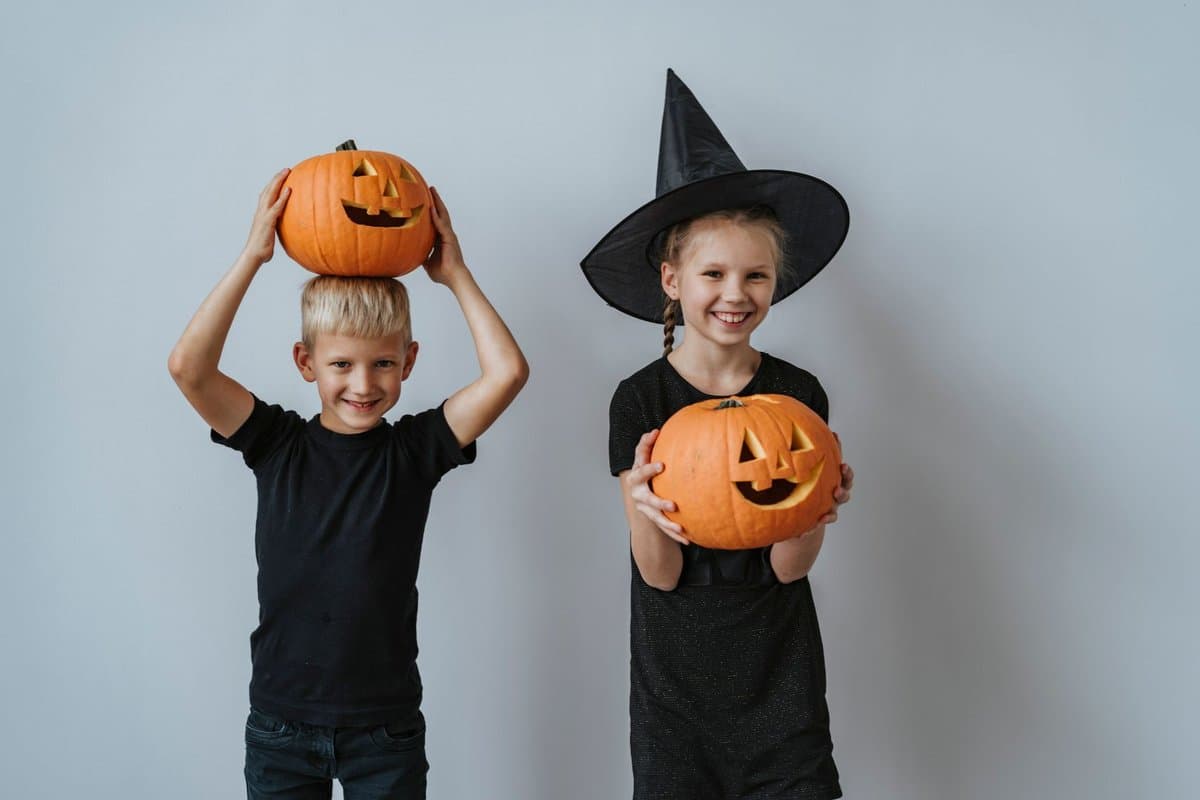
Think in terms of a cape, animal ears, a shiny jacket, a lab-coat-style overshirt, or a single color-blocked layer. Then build the rest from clothes already in the drawer. A black top and leggings can become a cat, bat, witch, or spider with different accessories. A striped shirt can work for a pirate, artist, or classic villain depending on what you add.
A less obvious money-saver is to shop by color or texture instead of by character name. A red hoodie is often more useful than anything marketed as a superhero costume. Silver leggings can cover astronaut, unicorn, robot, or pop-star territory. That matters when your child changes their mind a week before Halloween, because you can swap the add-on piece without replacing the whole outfit.
If you do buy extras, make them removable. Temporary patches, safety pins, or quick hand-stitching let a regular outfit go back into school rotation after one night.
Run the sneakers-and-bathroom test before you spend on extras
A costume that looks cute in a product photo can still cost you more if it fails in real life.
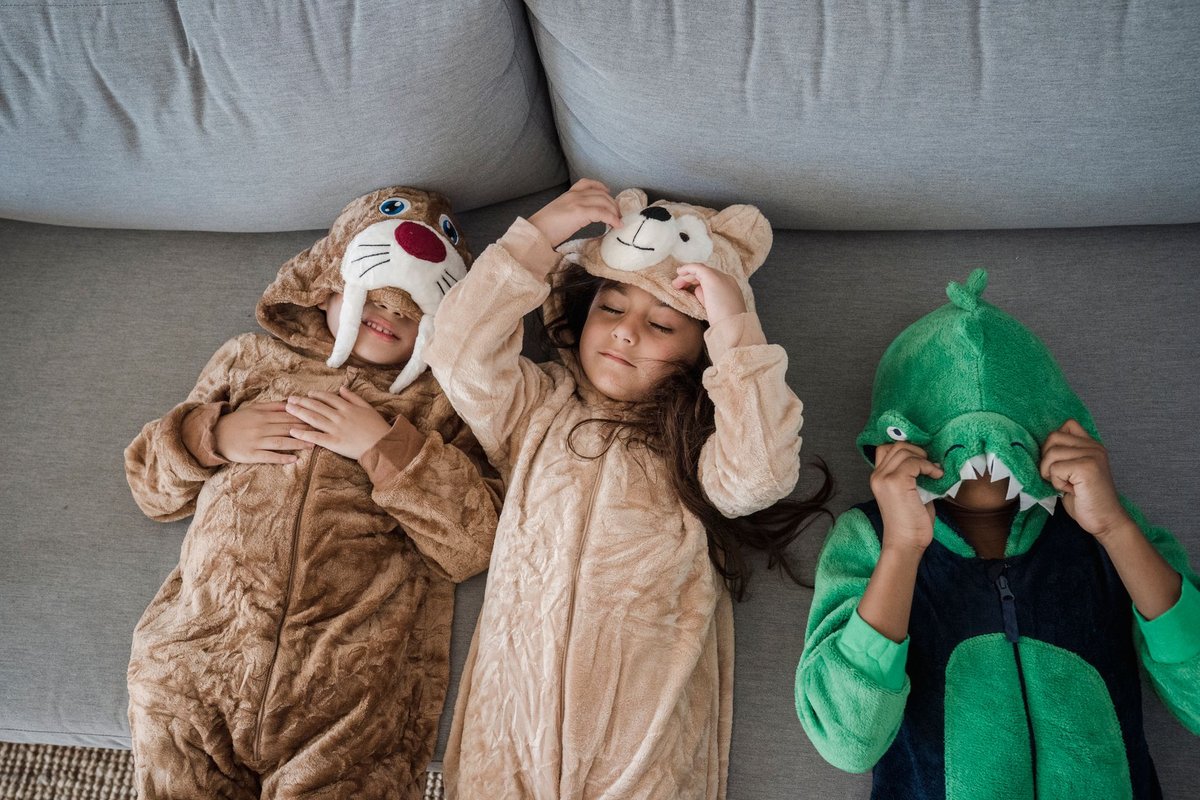
Before you buy the finishing pieces, have your child try the outfit with the shoes they'll actually walk in. If the hem drags, the cape gets stepped on, or the mask only works with dress shoes they'll hate after ten minutes, you'll end up replacing something at the last minute. The same goes for school events: if your child can't get the costume on and off quickly for a bathroom trip, that's usually a sign it won't survive the day.
Build the outfit from the warm layer outward, not the other way around. If your child will need leggings, a long-sleeve shirt, or a zip layer underneath, make that part of the costume plan from the start. That way you won't need a separate backup outfit once the temperature drops.
This is also a good place to cut accessory clutter. Kids remember running around, seeing friends, and getting candy. They rarely care that the store image included a plastic belt, stiff wig, or toy prop that becomes annoying halfway down the block.
Use November clothes as the costume base, not a throwaway set
If you're spending real money, buy clothes that can go right back into the dresser next week.
Gap Kids is useful for this approach because it already sells the kind of basics that do costume duty well, including categories like graphic tees and jeans. Start in the clearance section before you shop new arrivals, and save GapCash for a bigger order if you're already a regular shopper. At the time of writing, Gap Kids has up to 50% off select girls' clothing; check the store page for current details.
For babies and toddlers, CLOVER Baby & Kids fits a softer version of the same strategy. 25% off voucher code is available Its Last Chance section is the first place to look when you need a comfortable layer that can still be worn after Halloween, and the rewards program is more useful than a one-night novelty buy if you shop there more than once. At the time of writing, CLOVER Baby & Kids has 25% off sitewide, and a discount code is available on the store page.
The key is to buy the plain piece first and decorate second. A solid set, simple dress, or basic top has value after Halloween. A licensed outfit with attached trim usually doesn't.
Keep baby costumes stroller- and carrier-friendly
Babies don't need elaborate costumes. They need soft fabric, easy diaper access, and a setup that works for however they'll actually spend the evening.
If your baby will mostly be in a stroller, pick a simple outfit and let a hat, ears, or one themed layer do the work. If your baby will mostly be carried, don't force a bulky costume into the plan at all. A comfortable outfit under a wrap or carrier is usually warmer, easier, and cheaper than buying a padded costume that no one enjoys.
That's where solly baby can make sense. The store specializes in wraps and carriers, so it's more relevant to a Halloween plan built around comfort than to a one-night costume splurge. Its sale section is worth checking if you want something useful beyond the holiday, and shipping offers can matter when you're trying to keep a small order reasonable.
That same logic works for toddlers in strollers too: if they can't sit, snack, and nap in it, the costume is probably doing too much.
Split candy, activities, and costumes into separate mini-budgets
Halloween overspending doesn't only come from clothes. It also happens when candy for trick-or-treaters, school events, and party games all blur into one cart.
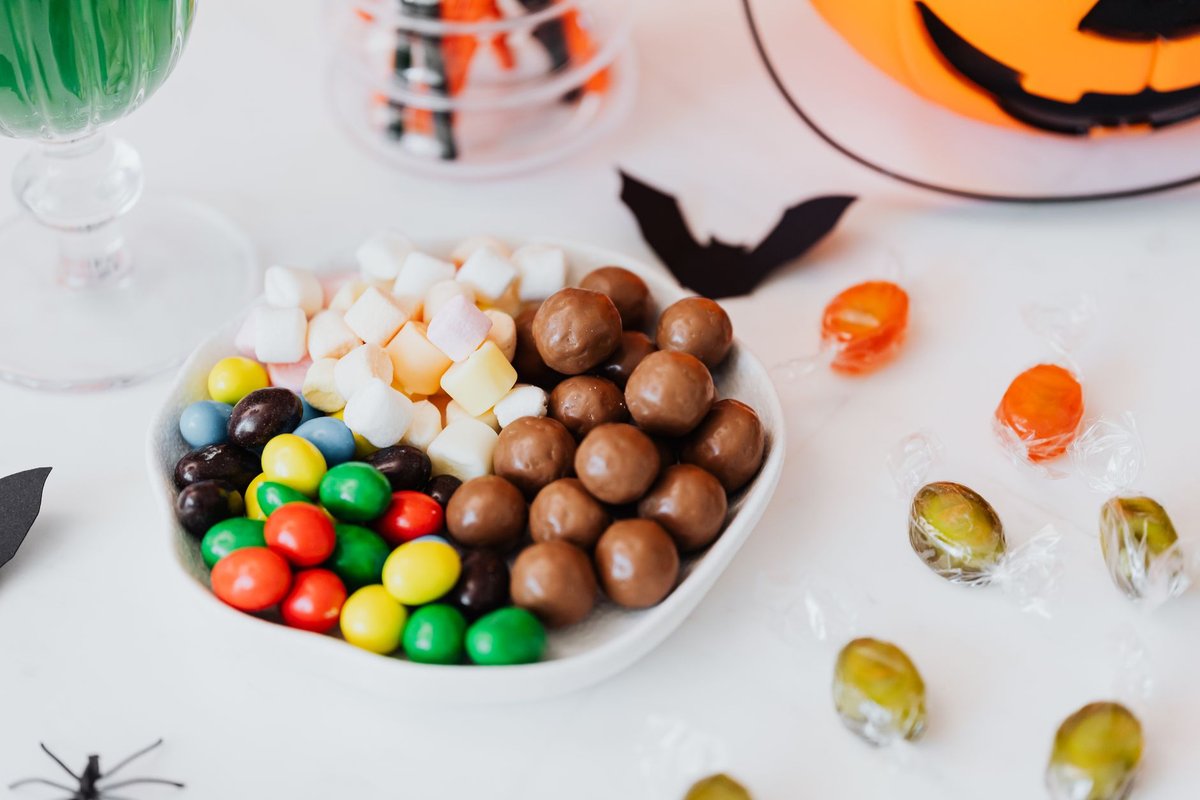
Set those uses before you shop. One stash is for handouts. One is for your own kids. One is for games or party favors if you need them. Sorting it on purpose makes it much less likely that you'll keep opening extra bags because you lost track of what was meant for what.
You can also make the party feel bigger without adding more candy. A timed scavenger hunt, costume parade, or simple craft activity fills the gap cheaply before the treats come out. These children's Halloween crafts are handy if you need a low-cost activity between school pickup and trick-or-treat time.
If you're shopping tonight, decide in this order: the one piece that reads as the costume, the shoes and warm layer that make it wearable, and only then the extras. After that, check the current Halloween deals page for finishing touches, or browse baby and kids coupons for basics that can stay useful after October.